Seven new projects will establish and strengthen collaborations between US and UK researchers in research that will address the ethical, legal and societal implications of artificial intelligence (AI).
Working together
Funded by UKRI and delivered by the UKRI Arts and Humanities Research Council’s (AHRC) Bridging Responsible AI Divides (BRAID) programme, the projects, worth £1.2M, cover topics including:
- AI’s impact on public media and discourse,
- Law and regulation in relation to AI innovation, and
- Resilience and sustainability in the AI ecosystem.
Investment has been made where cross-national collaboration will add value and advance the research topic.
Bridging Responsible AI Divides
The BRAID programme was launched by AHRC in 2022, with a total of £15.9 million in planned funding through to 2028.
In partnership with the Ada Lovelace Institute and the BBC, BRAID’s multidisciplinary team is led by co-directors Professor Ewa Luger and Professor Shannon Vallor at The University of Edinburgh.
BRAID seeks to enrich, expand and connect a mature, sustainable and responsible AI ecosystem by leveraging the power of the arts and humanities and bridging the divides between academic, industry, policy and regulatory work on responsible AI.
BRAID Co-Directors Professors Ewa Luger and Shannon Vallor said:
“When BRAID was launched three years ago, our mission was to meaningfully integrate Arts and Humanities (AH) knowledge within the UK’s Responsible AI ecosystem. Over the past three years AI adoption has become a driving force within our global economy, and core to our governments’ social and economic agendas.
There is an urgent demand for more cross-national collaborative work in Responsible AI that addresses truly global challenges, and BRAID are thrilled to welcome these seven innovative projects that leverage the power of the arts and humanities alongside AI expertise to address these challenges head-on.”
AHRC Executive Chair Professor Christopher Smith said:
“AI is changing our lives and challenging the boundaries of what we can know. The US and the UK are global leaders in understanding the relationships between AI technologies and society, and the impacts these technologies have, and this investment strengthens our partnership in driving AI for good and for growth.
“These vital and timely interventions from across the research ecosystem will support responsible, safe and beneficial uses of the transformative power of AI, and show how arts and humanities research can unite academia and industry to work together for a better future.”
Read about the seven funded projects here.
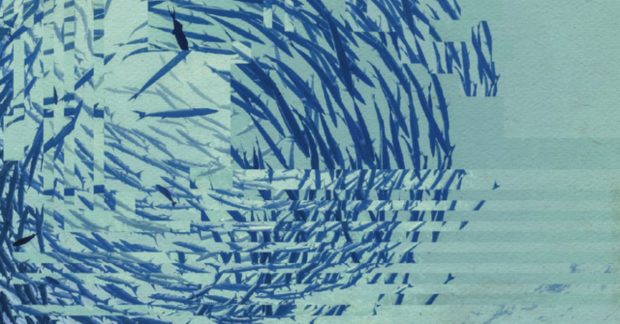
Image credit: Lone Thomasky & Bits&Bäume / Distorted Fish School / Licenced by CC-BY 4.0